Autism Don’t Judge Understand SVG: A Designer’s Real-World Test
As an embroidery designer who regularly evaluates SVG files for both personal and commercial use, I’m always looking for designs that strike the right balance between emotional impact and technical feasibility. When I first opened Autism Don’t Judge Understand SVG, I was drawn to its thoughtful composition and clear messaging. It’s not just a design—it’s a statement with visual depth and purpose.
First Impressions and Design Personality
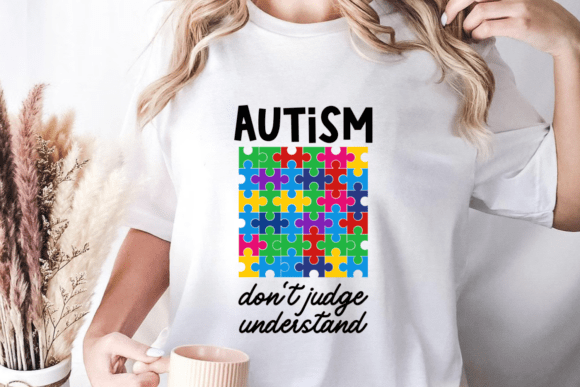
The phrase “Don’t Judge, Understand” is central to this SVG file, and it’s presented in a clean, modern font that feels approachable yet authoritative. The layout is well-balanced, with the word “Autism” placed prominently at the top or side depending on orientation. The overall shape of the design is rectangular with soft edges, making it easy to adapt to various project types like tote bags, sweatshirts, or patches.
I noticed that the text is complemented by subtle geometric shapes or icons—perhaps abstract symbols representing awareness or community. These aren’t overly detailed, which is a good sign for machine embroidery applications. The mood is calm, informative, and empathetic, fitting perfectly into the realm of handmade products with a message.
Real-Life Embroidery Use Cases
Let’s say you’re preparing a custom embroidered sweatshirt for a boutique line promoting mental health awareness. You’d want the design to be bold enough to stand out but not so busy that it distracts from the garment itself. This SVG fits the bill. The text is legible even when scaled down, and the supporting graphics add context without overwhelming the viewer.
For a tote bag design, especially one intended for everyday use, the simplicity and clarity of this SVG are major pluses. It reads easily from a distance and holds up well under scrutiny when viewed up close. If you're creating personalized gifts or holiday embroidery projects, this design can be adapted to fit festive themes by changing thread colors or adding seasonal accents.
It also works well as an embroidered patch, particularly for caps or jackets where space is limited but the message needs to be impactful. The moderate detail level ensures that it won’t get lost on smaller hoop sizes, though there are exceptions we’ll discuss shortly.
Commercial and Small Business Applications
If you're an Etsy seller or run a small shop product line focused on social awareness, this design could serve as a strong addition to your catalog. Its positive, inclusive message aligns well with values-driven branding, and the professional look elevates the perceived quality of your finished product. For digital product sellers, it makes a compelling printable mockup asset, helping buyers visualize how it would look on apparel or home décor before purchasing.
In a craft business setting, using this SVG in your embroidery project portfolio shows thoughtfulness and attention to cause-related design. It's versatile enough to work across multiple platforms—whether you're working on baby clothes, aprons, or pillow covers—and still maintains a cohesive visual identity.
Where Caution Is Advised
While this design is generally robust, there are specific scenarios where you should take extra care. On small hoop sizes, such as those used for button embroidery or tiny patches, some of the finer graphic elements may become too delicate. Always test these areas on scrap fabric before committing to a final piece.
Textured fabrics like denim or canvas might affect stitch clarity, especially in fill stitch areas. Thin or stretchy materials, like lightweight cotton or spandex blends, can cause distortion if the stabilizer isn't applied correctly. And while the design is mostly straightforward, dense stitch areas near the text or corners require careful handling to prevent puckering or skipped stitches.
When considering dark fabric backgrounds, thread color contrast becomes crucial. I recommend checking whether the design includes alternative color schemes or if you need to adjust manually. Also, if you plan to embroider onto items that will see frequent washing, like tea towels or aprons, make sure the stitching is tight and the design is well-contained to avoid fraying or fading over time.
Design Performance Across Garments and Fabrics
On a medium-sized sweatshirt, the design looks great with standard stitch density and minimal risk of distortion. However, when placing it on curved surfaces like caps or hats, alignment and seam allowances matter more than usual. The flat layout of the design means it needs to be carefully adjusted to match the contour of the cap without stretching the letters.
For layered garments, like a hoodie with a contrasting inner lining, ensure the design is stitched through all layers or consider using a backstitch option. The same goes for nursery decor or blanket embroidery, where the backing fabric can influence how the design lays and appears after completion.
Visual Appeal and Branding Impact
What I appreciate most about Autism Don’t Judge Understand SVG is how it enhances the visual appeal of a product without being garish or cluttered. The text remains readable, and the supporting graphics provide enough interest to catch the eye. This kind of balance is essential for handmade product lines aiming to communicate a meaningful message while maintaining a polished appearance.
From a branding perspective, this design helps build customer trust and engagement. People respond positively to inclusive, empathetic messages—especially when they’re clearly communicated and professionally executed. As an embroidery file, it supports brand consistency across different items, ensuring that every product feels part of a unified collection.
Its giftability factor is high, too. Whether you're crafting a holiday gift or a wedding present, this SVG adds a meaningful touch. The design has enough visual weight to feel special but isn’t so intricate that it requires advanced skills to execute successfully.
Professional Presentation Tips
- Test on scrap fabric: Before stitching on your final item, try it out on a similar material to see how the stitches behave.
- Check thread color contrast: Especially on dark fabrics, ensure the thread colors pop and remain legible.
- Review stitch density: Dense stitch areas near the text may need slight adjustments to avoid puckering or unevenness.
- Confirm hoop size: Make sure the design fits within your available hoop dimensions to maintain scale and integrity.
- Inspect small details: Look closely at the graphic elements to ensure they translate well from screen to fabric.
- Use proper stabilizer: Especially for stretchy or thin materials, the right stabilizer can make or break the final outcome.
- Consider licensing: If you plan to sell finished products or digital assets, verify that the SVG comes with appropriate commercial rights.
Final Thoughts for Crafters and Designers
Embroidery isn’t just about what looks good on the screen—it’s about how it performs in real life. Autism Don’t Judge Understand SVG is a solid choice for many embroidery projects, but it’s not a one-size-fits-all solution. It thrives on mid-to-large hoop sizes, stable fabrics, and light-colored bases, where its message and style can shine.
For hobbyists and creative entrepreneurs alike, this design offers value beyond aesthetics. It encourages thoughtful conversation, supports a meaningful cause, and contributes to the growing trend of socially conscious crafts. That said, it’s important to treat it with the same rigor as any other machine embroidery design. Every element must be tested and refined to suit the specific demands of your project.
Whether you're designing for a client, creating personalized gifts, or building a commercial line, this SVG provides a strong foundation. Just remember to tailor your approach based on fabric type, placement, and end-use expectations. With a little preparation, it can become a standout feature in your next craft business offering.